INVENTORY SEGMENTATION
ABC vs XYZ Inventory Analysis: Value and Variability Together
ABC identifies economic concentration; XYZ identifies demand stability. The combined class exposes different operating risks.
SHORT ANSWER
The decision in one minute
Calculate ABC from cumulative annual usage value, then calculate XYZ from comparable demand periods. Use the combined class as a review priority—not an automatic stocking rule—and override it for criticality, shelf life, substitution, and service commitments.
Download the ABC/XYZ sample CSV
Keep the two questions separate
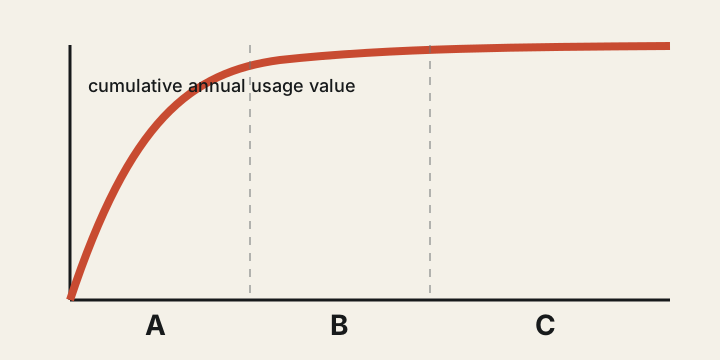
ABC asks where inventory value is concentrated. XYZ asks how consistently demand arrives. AX and AZ items can have the same value class but need different forecasting and buffer decisions.
Use one value definition and comparable demand periods. Record how zero demand, promotions, stockouts, and new items are treated.
Calculate transparent classes
Sort annual usage value descending, calculate share and cumulative share, then apply documented A/B/C cutoffs. Calculate XYZ with one variability measure and handle zero or near-zero means explicitly.
Thresholds are policy choices rather than universal constants. Review borderline items and test another time window.
Turn classes into controlled work
Use classes to prioritize review, counting, forecasting, and replenishment. Never allow value and variability alone to override safety, regulation, shelf life, customer commitments, or supply criticality.
Track service misses, write-offs, count variance, and overrides by class. Revise a class boundary only with recorded evidence.
A practical workflow
- Clean SKU demand history and usage value.
- Calculate cumulative value shares.
- Calculate demand variability consistently.
- Review zero-demand, critical, new, and borderline items.
- Assign differentiated policies and measure exceptions.